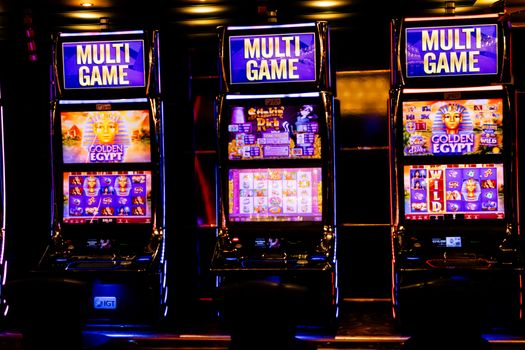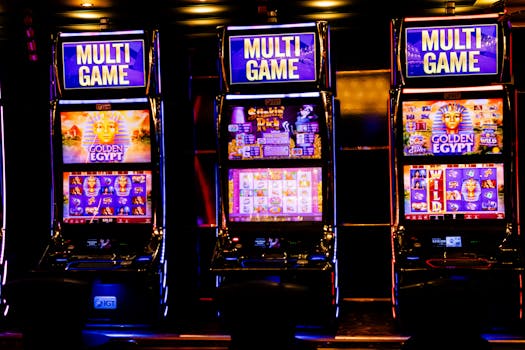
Slot machines have long been the centerpiece of casinos, capturing the imagination of players with the promise of life-changing jackpots. From the classic "One-Armed Bandits" to the dazzling online video slots, the allure of the jackpot remains as powerful as ever. Yet, many players are unsure about how slot machine jackpots actually work. Is landing a jackpot purely luck, or do certain machines offer better odds? What is the difference between a fixed and a progressive jackpot? In this comprehensive guide, we’ll demystify slot machine jackpots, explain the technology behind them, and offer a clear look at the numbers and odds that shape the world of big slot wins.
The Anatomy of a Slot Machine Jackpot
To understand how slot machine jackpots work, it’s vital to know how modern slots function. At their core, both physical and online slots use Random Number Generators (RNGs) to determine every spin’s outcome. This ensures fairness and makes every jackpot win a matter of pure chance.
There are two main types of jackpots on slot machines:
1. Fixed Jackpots: These offer a set payout that does not change. For example, a classic fruit machine might have a top prize of 10,000 coins, regardless of how much or how often the machine is played. 2. Progressive Jackpots: These are dynamic prizes that grow over time as more players spin the reels. A small portion of each bet is added to the jackpot pool, which can reach staggering sums before a lucky player claims the win.Slot jackpots can be triggered in various ways, such as matching specific symbols on a payline, entering a bonus game, or even randomly after any spin. Importantly, the jackpot can hit at any time, and every spin is independent of the previous one.
.png)
Progressive vs. Fixed Jackpots: What Sets Them Apart?
The major distinction between slot machine jackpots lies in how the prize pool is funded and distributed. Let’s break down the key differences between fixed and progressive jackpots in the table below.
| Feature | Fixed Jackpot | Progressive Jackpot |
|---|---|---|
| Prize Amount | Pre-determined, does not change | Continuously increases with each bet until won |
| Funding | Payout funded by the casino or game provider | Funded by a percentage of each player's wager |
| Win Frequency | Typically more frequent | Much rarer, but prizes are larger |
| Typical Prize Range | €100 – €10,000 | Can exceed €1 million (Mega Moolah famously paid €19.4 million in 2021) |
| Networked Jackpots | No, limited to one machine/game | Often pooled across several casinos or games |
Progressive jackpots are the reason we hear news stories of slot players becoming instant millionaires. For example, Mega Fortune, a popular online slot, holds the Guinness World Record for the largest online slot machine payout: €17.8 million in 2013.
How Odds and RTP Affect Jackpot Probability
Jackpot wins are rare—and for good reason. The odds of landing the top prize are carefully calibrated by the game designers through two key metrics: odds and Return to Player (RTP).
- Odds: The chance of hitting a jackpot on a single spin can be astronomically low. For instance, the odds of winning the Mega Moolah progressive jackpot are estimated at 1 in 50 million. - RTP: This is the percentage of all wagered money that a slot is expected to pay back to players over time. Most slot machines have an RTP between 92% and 98%. However, progressive jackpot slots tend to have slightly lower RTPs (often around 93-95%) to fund the ever-growing prize pool.It’s also important to note that the maximum jackpot is typically only available to players who bet the maximum number of coins or credits. For example, on some machines, you must bet €5 per spin to qualify for the jackpot. Always check the game’s paytable to know the requirements.
The Technology Behind Jackpot Slots
Modern slot machines—both in land-based casinos and online—run on sophisticated software that ensures fairness and unpredictability. Here’s how it works:
- RNGs (Random Number Generators): Every spin is determined by an RNG, which generates thousands of numbers per second. The number that is selected at the instant you press ‘spin’ determines the outcome. - Jackpot Triggers: In fixed jackpot slots, the win is usually triggered by landing specific symbol combinations. In progressive jackpot slots, the trigger could be a special symbol, a bonus round, or even a randomly awarded prize.Networked progressive jackpots are particularly interesting. These link multiple machines or online games together—sometimes across several casinos—so the prize pool grows much faster. For example, the Mega Moolah network includes hundreds of online casinos, all contributing to the same jackpot.
Security and fairness are strictly regulated. In reputable casinos, slot machines are regularly audited by independent agencies such as eCOGRA or GLI to ensure that jackpots are awarded randomly and that the advertised odds and RTP are accurate.
Famous Slot Jackpots: Real-Life Examples
The history of slot machines includes some truly jaw-dropping jackpot wins. Here are a few of the most notable:
- In 2003, a 25-year-old software engineer won $39.7 million on a Megabucks slot at the Excalibur Casino in Las Vegas—the largest slot jackpot ever won in a land-based casino. - The Mega Moolah online slot has paid several multi-million euro jackpots, including a record €19.4 million win in 2021. - In 2015, a British soldier turned €25 into €17.8 million playing Mega Fortune—an online slot by NetEnt.These stories highlight both the life-changing potential of slot jackpots and the rarity of such wins. For most players, smaller wins are far more common, but the possibility of hitting it big keeps millions spinning the reels every day.
What Happens After You Win a Jackpot?
Winning a slot machine jackpot is exhilarating, but what happens next? Here’s what to expect:
- Immediate Verification: Casinos are required to confirm the legitimacy of the win. This may involve checking the machine’s software or, online, reviewing system logs. - Payout Options: Large jackpots are sometimes paid as a lump sum, but progressive wins—especially in land-based casinos—may be paid in installments. For example, the Megabucks jackpot in Las Vegas is typically paid out over 20-25 annual payments. - Tax Responsibilities: In many countries, including the USA, jackpot winnings are taxed. In most European countries, including the Czech Republic, gambling winnings may be tax-free up to a certain threshold. - Publicity: Some casinos will ask for permission to use the winner’s story in their marketing, but in some regions you can claim the prize anonymously.It’s also worth noting that online jackpots are tracked automatically, and payouts are usually much faster than in brick-and-mortar casinos.
Responsible Play: Chasing Jackpots Safely
Chasing the dream of a slot jackpot is exciting, but it’s crucial to play responsibly. Here are some tips to keep in mind:
- Set a strict budget and never chase losses. - Understand that jackpots are rare, and most players will not win the top prize. - Read the game’s rules to know if you need to bet maximum coins to be eligible for the jackpot. - Choose reputable, licensed casinos—both online and offline—to ensure fair play.According to the UK Gambling Commission, 0.5% of UK adults are classified as problem gamblers, underscoring the importance of gambling responsibly and seeking help if you feel your play is getting out of control.
Final Thoughts on How Slot Machine Jackpots Work
Slot machine jackpots are the stuff of dreams, built on the fascination with instant wealth and random fortune. Whether you’re spinning the reels at a land-based casino or playing online, understanding how jackpots work helps set realistic expectations and enhances the enjoyment of the game. While the odds of winning a massive progressive jackpot are slim, smaller wins and the thrill of anticipation make slots endlessly popular. Remember, the key to a positive experience is to play for fun, stay within your limits, and treat any jackpot as a rare and exciting bonus.