Understanding the House Edge in Casino Games: What Every Player Should Know
Casino gaming has captivated people for centuries, from opulent Monte Carlo halls to the ever-growing world of online casinos. While the thrill of spinning reels, rolling dice, or playing cards is universal, there is another, less visible element that shapes every game—something all players should understand before placing their bets: the house edge. This built-in mathematical advantage ensures casinos remain profitable over time, and knowing how it works can help you make smarter decisions, manage your bankroll, and enjoy gaming responsibly.
In this comprehensive guide, we’ll demystify the house edge, explore how it varies across popular games, explain why it matters, and provide practical insights for everyday players. Let’s take a closer look at this key concept behind casino operations.
What Is the House Edge and Why Does It Exist?
The house edge is the percentage of each bet that a casino expects to keep over the long run. It is not a trick or a cheat—rather, it’s a fundamental aspect of casino game design, built into the rules and payout structures of each game. The existence of the house edge allows casinos to cover operational costs, offer bonuses, maintain facilities, and make a profit.
.png)
For instance, if a game has a house edge of 2%, the casino expects to keep $2 out of every $100 wagered in the long run. This does not mean every player loses 2% instantly; rather, it reflects the average loss over thousands of plays.
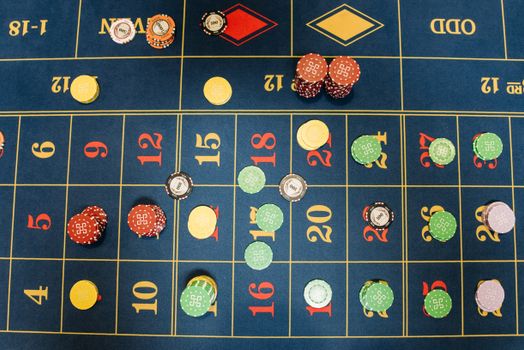
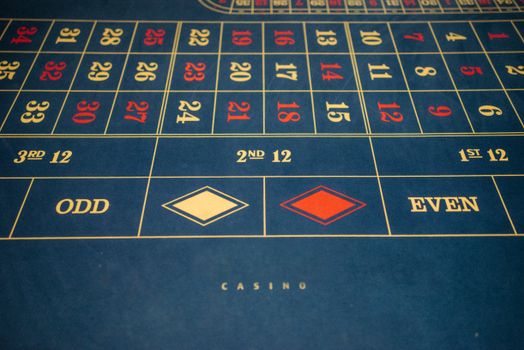
Let’s consider a specific example: In American roulette, the wheel has 38 pockets (numbers 1-36, plus 0 and 00). Betting on a single number pays 35 to 1. However, the true odds of winning are 1 in 38. This small difference ensures the casino retains a long-term edge—about 5.26% in this case.
The house edge is not the same as the “return to player” (RTP), which is simply 100% minus the house edge. Games with a higher RTP return more money to players over time.
How the House Edge Varies Across Casino Games
Not all casino games are created equal when it comes to the house edge. Some games give players a better chance than others, especially if skill or strategy can influence the outcome. Here’s an overview of how the house edge compares across popular casino games:
| Game | Typical House Edge (%) | Influence of Skill |
|---|---|---|
| Blackjack (basic strategy) | 0.5 – 1.0 | High |
| European Roulette | 2.7 | None |
| American Roulette | 5.26 | None |
| Baccarat (banker bet) | 1.06 | None |
| Baccarat (player bet) | 1.24 | None |
| Craps (pass line bet) | 1.41 | Medium |
| Slot Machines | 2 – 15 | None |
| Keno | 20 – 30 | None |
| Poker (vs. other players) | Varies (rake) | Very High |
The table highlights some key trends:
- Blackjack offers one of the lowest house edges, provided you use basic strategy. - Roulette’s house edge depends on the wheel: European (single zero) is better for players than American (double zero). - Slot machines have highly variable house edges, with some penny slots reaching up to 15%. - Keno is one of the least favorable games for players, with house edges often above 20%.These differences mean that choosing your game wisely can have a significant impact on your gaming experience and potential returns.
The Role of Probability and Payouts
The house edge is not arbitrary; it stems from the relationship between the true odds of an event and the game’s payout ratio. For example, if you bet $1 on a fair coin toss and win $1 every time you call it correctly, there’s no house edge—the game is fair. But if the casino pays you only $0.95 for every $1 bet on a coin toss, the house edge becomes clear.
Let’s look at another example: In craps, the pass line bet wins if the shooter rolls a 7 or 11 on the come-out roll and loses on 2, 3, or 12. The odds of winning are about 49.3%, but the payout is even money (1:1). The small difference between the true odds and the payout creates a house edge of 1.41%.
Slot machines are a bit different. The house edge is programmed into the machine’s software, determining how often and how much the game pays out. Regulatory authorities require casinos to publish the RTP or payout percentages for slot games. For instance, a slot machine with a 96% RTP has a 4% house edge.
Short-Term Variance vs. Long-Term Expectations
One of the most misunderstood aspects of the house edge is how it affects players in the short term versus the long run. In the short term, luck dominates—players can win big or lose heavily in a single session. Over thousands or millions of plays, however, the actual results will tend to converge with the expected results dictated by the house edge.
For example, suppose you play European roulette, which has a house edge of 2.7%. If you bet $10 per spin for 50 spins, your expected loss is:
50 spins x $10 = $500 wagered Expected loss: $500 x 2.7% = $13.50
Of course, you may lose more, lose less, or even win money in those 50 spins—but if you play 10,000 spins, the actual loss will likely get much closer to that 2.7% average.
Casinos rely on this mathematical certainty over time. This is why games with a higher house edge (like keno or certain slot machines) can drain a player’s bankroll faster, while lower-edge games offer more prolonged play.
House Edge, Volatility, and Player Experience
While the house edge measures the casino’s long-term advantage, volatility (also called variance) describes how much your results fluctuate in the short term. Games with high volatility offer bigger wins but longer losing streaks, while low-volatility games provide steadier play with smaller, more frequent wins.
For example:
- Slot machines often have both high volatility and a high house edge, making them unpredictable but potentially lucrative in the short term. - Blackjack, with a low house edge and moderate volatility, offers longer playtime and smaller swings—ideal for strategic players. - Keno features a high house edge and high volatility, which can result in big jackpots but also frequent, rapid losses.Understanding both house edge and volatility can help you choose games that match your risk tolerance and entertainment preferences. If you want more play for your money, focus on low-edge, low-volatility games. If you’re chasing big payouts and accept more risk, high-volatility games might be more appealing.
Can You Beat the House Edge?
Given that the house edge is mathematically built into every game, is it ever possible to overcome it? The answer depends on the game and the strategies involved.
- In games of pure chance (such as roulette, slots, or keno), the house edge cannot be beaten in the long run. There are no strategies or betting systems that change the underlying probabilities. - In skill-based games (like blackjack or poker), skilled players can minimize the house edge or even turn it in their favor. For example, expert blackjack players using card counting can reduce or eliminate the house edge, but casinos closely monitor for such techniques. - Video poker is another example where optimal strategy can yield a return to player (RTP) of over 99%, shrinking the house edge to a fraction of a percent.It’s important to remember that while short-term winning streaks are possible, the law of large numbers ensures the house edge prevails over time.
Smart Play: Using House Edge Knowledge to Your Advantage
Knowing the house edge helps you make more informed choices about where to play and how much to bet. Here are some practical ways to use this knowledge:
- Select games with the lowest house edge, such as blackjack (with basic strategy), baccarat (banker bet), or craps (pass line bet). - Avoid games with a high house edge, like keno or certain novelty table games. - Learn and apply optimal strategies where possible—especially in blackjack, video poker, and poker. - Keep stakes moderate and play for entertainment, not as a way to make money. - Use casino bonuses and promotions to offset some of the house edge, but always read the terms and conditions.Ultimately, understanding the house edge empowers you to play smarter and enjoy casino gaming responsibly.
The Bottom Line: The Importance of House Edge in Casino Gaming
The house edge is a fundamental concept that shapes every casino game, determining how much players can expect to lose (on average) over time. While it’s impossible to eliminate the house edge in most games, knowledge is power: selecting low-edge games, playing strategically, and managing your bankroll can greatly enhance your casino experience. Remember, casino gaming should always be approached as entertainment, not an investment. By understanding the house edge, you can make informed choices, avoid costly mistakes, and enjoy the excitement of casino play with clear expectations.