Virtual Reality: The Future of Online Casinos
The world of online casinos has always thrived on innovation, adapting swiftly to emerging technologies to captivate players and enhance the gambling experience. As we approach the mid-2020s, a new frontier is emerging that promises to blur the lines between digital entertainment and real-world excitement: Virtual Reality (VR). While online casinos have already revolutionized accessibility and convenience, VR aims to transform the very nature of gameplay, delivering immersive environments, social interaction, and lifelike casino floors directly to players’ living rooms. But what does this mean for the future of online gambling, and how close are we to seeing VR redefine the industry? Let’s explore how Virtual Reality is shaping the next era of online casinos.
The Rise of Virtual Reality in Online Gambling
Virtual Reality technology has evolved rapidly over the past decade. Once considered a niche for hardcore gamers, VR headsets and platforms are becoming increasingly mainstream. According to Statista, the global VR market was valued at $28.42 billion in 2022 and is projected to reach $87 billion by 2030—a clear indicator of growing interest and investment.
The online gambling sector has taken notice. In 2017, the first VR casinos began to appear, offering basic blackjack and roulette games in a three-dimensional space. Fast forward to 2024, and several major online casinos have launched dedicated VR platforms, boasting expansive virtual lobbies, customizable avatars, and interactive slot machines. For example, SlotsMillion, one of the industry pioneers, offers a VR casino with over 40 slot games and realistic casino environments, complete with animated dealers and other players.
.png)
VR is not just about flashy graphics—it’s about replicating the atmosphere, social dynamics, and excitement of a brick-and-mortar casino. Recent surveys indicate that 70% of online gamblers would be interested in trying a VR casino if the technology became widely accessible. This growing demand is propelling rapid development, with more operators and game developers investing in VR compatibility.
How VR Online Casinos Work: A Glimpse into Immersion
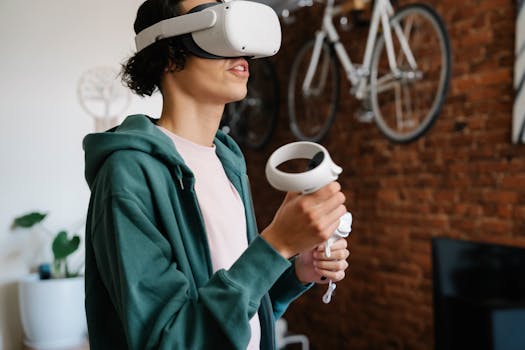
So, how do VR casinos differ from traditional online platforms? The most significant difference lies in the experience itself. Players don a VR headset—like the Meta Quest 3, PlayStation VR2, or HTC Vive—and are instantly transported to a digital casino environment.
Here’s what sets VR casinos apart:
1. 3D Casino Floors: Instead of navigating menus, players physically walk through virtual casino floors, approaching tables, slot machines, or lounges at will. 2. Real-Time Interaction: Players can interact with dealers and other participants using voice chat and gestures, fostering a sense of camaraderie and competition. 3. Detailed Avatars: Customizable avatars represent each player, complete with realistic animations and expressions. 4. Interactive Gameplay: Card games, roulette wheels, and slots are manipulated by hand movements, making gameplay more tactile and engaging. 5. Social Experiences: VR casinos often feature side activities, such as private poker rooms, virtual bars, and mini-games, encouraging socialization beyond gambling.For instance, PokerStars VR allows players to bluff, gesture, and read their opponents’ body language as if at a real table—a feature impossible to replicate on 2D platforms. This level of interactivity is transforming online gambling from a solitary pastime into a shared, immersive experience.
Benefits of Virtual Reality Casinos Over Traditional Online Platforms
The shift to VR brings a host of advantages for both players and operators. Here’s a closer look at some of the most compelling benefits:
- Enhanced Realism: VR casinos offer unparalleled immersion, closely mimicking the sights and sounds of a real-world casino. Lighting, background chatter, and even the clink of chips are digitally recreated. - Social Connection: Traditional online casinos can feel isolating, but VR platforms enable real-time social interaction, making gambling a shared event. - Engagement and Retention: Studies show that immersive environments significantly boost player engagement. According to research by PwC, VR users spend up to 34% more time in virtual environments compared to standard online platforms. - Customization: Players can personalize their avatars, casino surroundings, and even their own “private” tables, tailoring the experience to their preferences. - Responsible Gambling Features: VR casinos can incorporate advanced features, such as time trackers, pop-up reminders, and virtual “cool-off” rooms, to promote healthy gambling habits.To illustrate the comparative strengths of VR casinos versus traditional online casinos, consider the table below:
| Feature | Traditional Online Casino | VR Casino |
|---|---|---|
| Immersion | 2D graphics, limited realism | 3D environments, lifelike visuals & sounds |
| Social Interaction | Text chat, limited multiplayer | Voice/chat, gestures, in-person feel |
| Gameplay Control | Mouse/keyboard/touch input | Hand tracking, physical gestures |
| Customization | Basic account/profile options | Avatar and environment customization |
| Time Spent Per Session (avg.) | 25-30 minutes | 40-60 minutes |
As the table demonstrates, VR casinos offer a richer, more dynamic experience that could reshape player expectations across the industry.
Challenges and Limitations of VR Casinos Today
While the promise of VR casinos is immense, several challenges remain before widespread adoption becomes reality.
- Hardware Cost and Accessibility: High-quality VR headsets still represent a significant investment. As of 2024, flagship devices like the Meta Quest 3 retail around $499, making them less accessible than smartphones or laptops. - Game Library Limitations: Although the number of VR-compatible casino games is growing, it still lags behind the thousands available on traditional platforms. Licensing, development costs, and technical requirements slow the expansion. - Technical Barriers: Lag, motion sickness, and hardware compatibility can hinder the user experience. Not all internet connections or home setups are VR-ready. - Regulatory Uncertainty: Gambling laws worldwide are complex, and VR introduces new questions about age verification, responsible gambling, and cross-border play. Regulators are still catching up to the technology. - User Learning Curve: For many, VR is a new and sometimes intimidating technology. Operators must invest in intuitive interfaces and onboarding tools to welcome new users.Despite these hurdles, industry analysts remain optimistic. Goldman Sachs estimates that by 2030, up to 20% of online gambling could occur in VR environments, provided hardware becomes more affordable and game libraries expand.
Security, Fairness, and Responsible Gambling in VR Environments
As VR casinos grow, ensuring player safety and game fairness becomes paramount. The immersive nature of VR can make it easier for players to lose track of time or spending, so robust responsible gambling features are a must.
Leading VR casinos are implementing a variety of safeguards:
- Age Verification: Advanced facial and voice recognition can bolster traditional verification methods, ensuring only eligible users access gambling environments. - Fair Play Auditing: Trusted VR casinos use the same Random Number Generators (RNGs) and auditing protocols as traditional platforms, with many publishing their fairness certificates. - Real-Time Monitoring: AI-driven analytics can detect risky behavior, such as excessive play or suspicious transactions, and trigger interventions like pop-up warnings or temporary account locks. - Privacy Controls: Players can control the visibility of their avatars and personal data, addressing concerns about harassment or unwanted social interaction.In 2023, a survey by the UK Gambling Commission found that 62% of online gamblers favored VR casinos that displayed clear responsible gambling tools and allowed users to set time or spending limits within the environment. This demonstrates the critical role of transparency and player empowerment as VR gambling expands.
What’s Next? Innovations on the Horizon for VR Casinos
The coming years promise even more exciting developments for VR casinos. Here are a few trends and innovations to watch:
- Haptic Feedback: Future VR headsets and gloves will offer tactile sensations, allowing players to “feel” cards or the spin of a roulette wheel, further bridging the physical and virtual. - Cross-Platform Play: Some operators are developing hybrid platforms where VR and non-VR players can share tables, expanding the social network and game variety. - Live VR Dealers: Combining live-streamed human dealers with VR environments could offer the best of both worlds—real people, real-time interaction, and immersive settings. - Blockchain Integration: Secure, transparent transactions using blockchain technology may become standard in VR casinos, addressing concerns about fairness and payment security. - Expanding Game Libraries: As VR game development becomes more cost-effective, expect a surge in available titles, from classic table games to unique VR-only experiences.Industry forecasts predict that by 2027, at least 15 major online casino brands will operate full-scale VR platforms, and over 10 million users will have tried VR gambling at least once. The convergence of VR, AI, and blockchain could spark unprecedented growth and creativity across the industry.
The Long-Term Outlook for Virtual Reality in Online Casinos
Virtual Reality is poised to be the next great leap forward for online casinos, offering a level of immersion and interaction previously unattainable in digital gambling. While challenges remain—particularly in hardware costs, regulation, and game availability—the pace of innovation is accelerating. As VR technology becomes more accessible and mainstream, it is likely to move from a niche novelty to a central pillar of online casino entertainment.
For players, VR promises a richer, more social, and more engaging experience that rivals the thrill of visiting a physical casino. For operators, it opens new avenues for customer retention, brand differentiation, and global reach. Ultimately, VR is not just the future of online casinos—it’s the future of how we experience entertainment itself.