The Psychology Behind Casino Game Design: How Casinos Keep Players Engaged
Casinos have long fascinated people with their glamour, excitement, and the tantalizing promise of fortune. Yet, behind the dazzling lights and the spinning wheels lies a calculated science: the psychology of casino game design. Modern casinos—both physical and online—rely on a deep understanding of human behavior to craft experiences that are not just entertaining, but also highly engaging and, for many, difficult to walk away from.
From the color schemes to the sound effects, every aspect of a casino game is meticulously engineered to captivate players and maximize playtime. But what are the strategies and psychological tricks that make casino games so irresistible? This article explores the powerful psychological principles that underpin casino game design, offering a revealing look at how games are crafted to keep players coming back for more.
The Role of Reward Systems in Casino Games
At the heart of every casino game is the concept of rewards. The anticipation of a win, no matter how small, triggers the brain's reward system. Dopamine, a neurotransmitter associated with pleasure and learning, plays a central role. When players win—whether it’s a jackpot or a modest payout—their brains release dopamine, creating a feeling of euphoria and reinforcing the desire to keep playing.
.png)
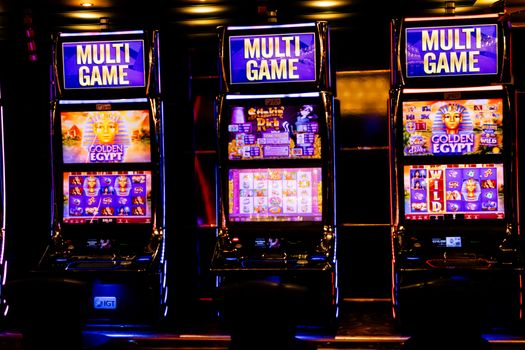
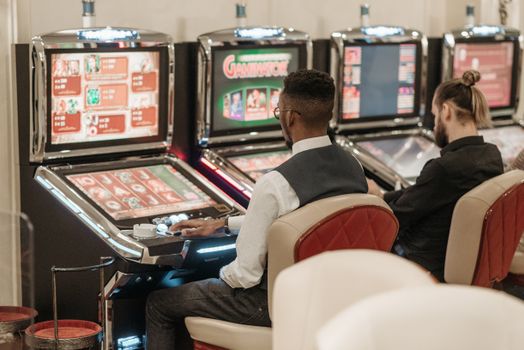
Slot machines, for example, are masters of this psychological principle. According to a 2020 study by the University of British Columbia, slot machines are designed to provide frequent small wins, with the average slot machine offering a "win" every 4 to 5 spins—even if the win is less than the original bet. This pattern of frequent, intermittent rewards is highly effective at keeping players engaged, as it mirrors the principles of operant conditioning famously studied by B.F. Skinner.
This intermittent reinforcement is powerful because it creates a sense of unpredictability and excitement. Players are never quite sure when the next win will come, which encourages them to keep playing in hopes that the next spin will be the lucky one.
Visual and Auditory Stimuli: More Than Just Entertainment
Casinos are sensory playgrounds, and this is no accident. The use of color, light, sound, and even scent are all carefully designed to create an immersive experience. Studies have shown that certain colors and sounds can influence mood and behavior, subtly encouraging players to stay longer and spend more.
For instance, the color red is commonly used in casino design because it is associated with excitement, energy, and even increased betting behavior. A 2013 study published in the Journal of Neuroscience found that red lighting can heighten arousal and risk-taking tendencies among gamblers.
Sound is equally important. The jingles, chimes, and celebratory tunes that erupt after a win are not just for show—they are engineered to create positive associations and reinforce continued play. In fact, research from the University of Waterloo (2017) found that slot machines with more elaborate sound effects after a win led players to overestimate how often they actually won, increasing their engagement and playtime.
Even the tactile aspect of pushing a button or pulling a lever adds to the sense of agency and involvement, despite the outcome being determined by algorithms or random chance.
Near Misses, Losses Disguised as Wins, and Other Psychological Tricks
Casino game designers employ a variety of subtle psychological tricks to keep players engaged—even when they’re losing. One of the most powerful is the concept of the "near miss." A near miss occurs when a player comes close to winning—such as two jackpot symbols lining up on a slot machine with the third just a click away. Neurologically, near misses activate the brain in much the same way as actual wins, fueling the illusion that a big win is just around the corner.
Another common trick is the "loss disguised as a win" (LDW), where players receive a payout that is less than their original bet, but accompanied by celebratory sounds and graphics. This creates a sense of winning, even though the player is actually losing money over time. According to a 2010 study published in Psychological Science, LDWs can significantly increase the time and money players spend on a game, as they blur the line between winning and losing.
The design of reward schedules and payout rates is also carefully calibrated. Most slot machines have a return-to-player (RTP) rate of around 85% to 98%, meaning that over time, players will lose a small percentage of what they wager. However, the way wins and losses are distributed is far from random—it's optimized to maximize engagement.
| Psychological Trick | Description | Effect on Players |
|---|---|---|
| Near Miss | Player almost wins, but falls short | Increases desire to continue playing |
| Loss Disguised as Win (LDW) | Payout is less than bet, but accompanied by winning sounds | Makes losses feel like wins, prolongs play |
| Intermittent Rewards | Unpredictable payout schedule | Encourages repeated play due to anticipation |
| Celebratory Graphics | Animations and sound for small wins | Creates positive feedback even on small returns |
Personalization and Adaptive Game Mechanics
The rise of online and digital casino platforms has enabled a new era of personalization in game design. Using sophisticated algorithms and data analytics, casinos can tailor experiences to individual players, increasing both engagement and revenue.
For example, online casinos track player behavior—such as preferred games, bet sizes, and session length—to offer personalized bonuses and game recommendations. This customization appeals directly to a player’s preferences and habits, making it harder to resist the urge to keep playing.
Adaptive game mechanics are also on the rise. Some games dynamically adjust difficulty, payout frequency, or bonus features based on a player’s recent history. For instance, if a player has suffered a string of losses, the game may offer a small win or bonus round to boost their morale and encourage continued play.
A 2022 report by the UK Gambling Commission found that 61% of frequent online gamblers received personalized offers within the past year, and these players were 47% more likely to extend their gaming sessions compared to those who did not receive such offers.
Social Features and the Sense of Community
While traditional casino games often evoke images of solitary play, modern game design increasingly incorporates social elements to enhance engagement. Features such as multiplayer modes, leaderboards, chat functions, and tournament-style play all tap into the basic human need for social interaction and recognition.
Social casino games—free-to-play games with casino-style mechanics—have exploded in popularity, with more than 170 million global users as of 2023. These games use social features to encourage friendly competition, sharing of achievements, and even in-game gifting.
Research published in Computers in Human Behavior (2021) found that social features in casino games not only lengthen play sessions but also increase the likelihood of in-game purchases, as players strive to outperform friends or climb the leaderboard.
The sense of community and competition fueled by social features can make the gaming experience more meaningful and less about the gamble itself—further deepening player engagement and emotional investment.
Ethical Considerations and Responsible Game Design
With the increasing sophistication of psychological tactics in casino game design, ethical concerns have become more prominent. While casinos are businesses that rely on player engagement, the line between entertainment and exploitation can be thin.
Regulatory bodies in many countries now require casinos to implement responsible gambling features, such as self-exclusion options, session time limits, and reality checks that remind players how long they have been playing or how much they have spent. The UK Gambling Commission and the Malta Gaming Authority are among the organizations setting stricter guidelines to protect vulnerable players.
Some game designers are also exploring ethical game design—crafting games that are fun and engaging without encouraging harmful or addictive behaviors. Features like transparent odds, clear win/loss feedback, and easy access to support resources are increasingly being incorporated into new game releases.
Despite these efforts, the debate continues about how much responsibility lies with players versus the industry. In 2021, the National Council on Problem Gambling estimated that between 0.5% and 3% of adults in the United States experience problem gambling annually—a reminder of the real-world consequences of these psychological design strategies.
The Lasting Impact of Casino Game Psychology
The psychology behind casino game design is a blend of art, science, and business acumen. By leveraging insights from neuroscience, behavioral psychology, and data analytics, casinos have created games that are not only entertaining but also powerfully compelling.
From the anticipation of rewards and the stimulation of the senses to the subtle reinforcement of near misses and social features, every element of casino game design is crafted with the player's experience—and continued engagement—in mind. Understanding these psychological strategies can help players make more informed decisions, while also guiding the industry toward more ethical and responsible practices.
As technology continues to advance, the interplay between psychology and game design will only become more sophisticated. Whether you’re a casual player or a seasoned gambler, recognizing the psychological forces at play is the first step toward a more mindful and enjoyable gaming experience.